-
Call: (214) 813-3516Call: (214) 813-3516
-
6251 West University Drive Suite 101 McKinney, Texas 75071
The Importance of Gut Health
Learn more about gut health and it's importance to preventing chronic illness
In the midst of the holiday season, it can be difficult to manage a healthy diet. With family visits, cooking, and last-minute gift shopping, the winter season can be the busiest time of the year. It can be so busy that it’s easy to slip back into unhealthy eating habits, and keeping your body healthy can become a low priority. When the Christmas chaos calms down, start the new year with a microbiome diet: a diverse, delicious, and healthy set of foods that prevents health complications from the source.
The state of the gastrointestinal tract plays a massive role in your overall health. The gut breaks down food into carbohydrates, proteins, fats, and other essential components and distributes them throughout the body through a communication pathway system called the gut-organ axis. Through this process, the gut provides essential compounds and nutrients to the brain, immune system, liver, bones, and many other major organs. Maintaining a healthy gut is key to preventing chronic disease and sustaining a healthy diet.
The Gut Microbiome
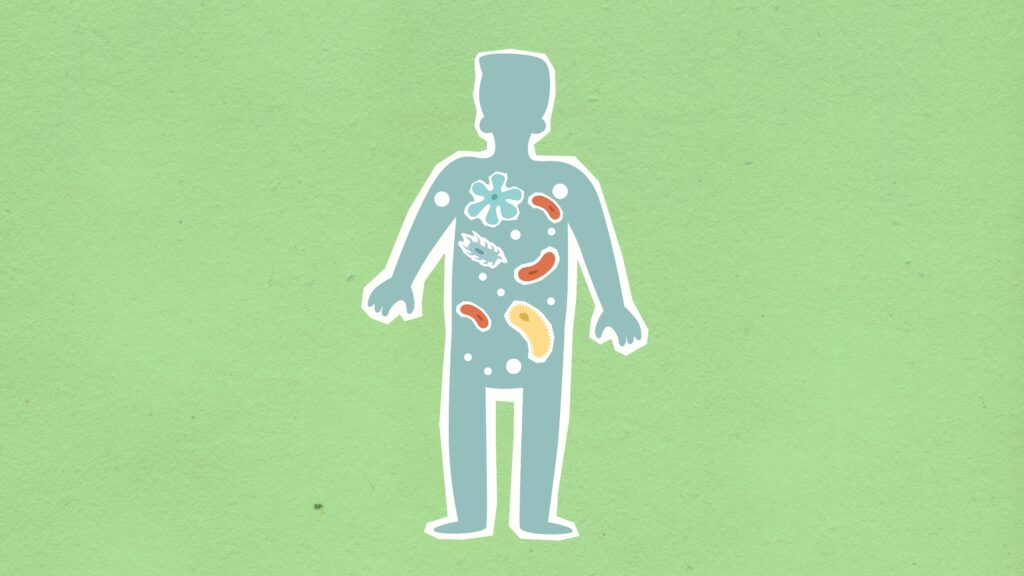
The gut microbiome is the community of microorganisms that reside in the gastrointestinal tract, which plays a key role in maintaining homeostasis. They do this by producing enzymes to break down certain carbohydrates that the body is incapable of breaking down by itself, allowing you to fully absorb all the nutrients in the foods you eat. It is estimated that gut microbes are responsible for helping the body absorb about 90% of the nutrients gained in the small intestine.
The work gut microbes do helps regulate hormones and strengthen the immune system, so maintaining an environment where these microorganisms can thrive is very important to keeping your major organs healthy and stable.
A poor diet, stress, environmental agents, and other factors can disrupt the balance of your microbiome, resulting in many potential health complications. An imbalanced or disrupted microbiome can become the root cause of autoimmune disorders, metabolic diseases, obesity, and other chronic illnesses. To avoid this, limit the amount of high-fat and processed foods in your diet, and try to consume more prebiotic, probiotic, fiber-rich foods.

Prebiotics and Probiotics
Prebiotics are non-living compounds, such as fibers or certain carbohydrates, that act as nourishment for the microbes living in your gut, contributing to a healthy and productive gut microbiome. Common prebiotics such as insulin, pectins, and beta-glucans are present in many plant-based foods like vegetables, grains, and fruits. To incorporate more prebiotics into your diet, eat more wheat, oats, leeks, bananas, and asparagus.
Probiotics are living microorganisms that produce enzymes that help the gastrointestinal system with digestion; eating foods that contain probiotics helps maintain a large community of beneficial microbes in the gut. Probiotics are in fermented foods such as yogurt, kefir, cottage and aged cheese, pickles, and fermented teas.
Conclusion
In the end, the best way to prevent preventable diseases is maintaining a healthy diet and an active lifestyle. You should choose foods that help you reach optimal health and well-being, that strengthen your body and mind. Try to incorporate more prebiotic and probiotic foods into your diet going into 2026, because a healthy gut is one of the biggest detractors to many preventable chronic illnesses. Maintain a stable microbiome and a healthier life.
Learn more about Dr. O’s answer to gut health and other metabolic treatments here.