-
Call: (214) 813-3516Call: (214) 813-3516
-
6251 West University Drive Suite 101 McKinney, Texas 75071

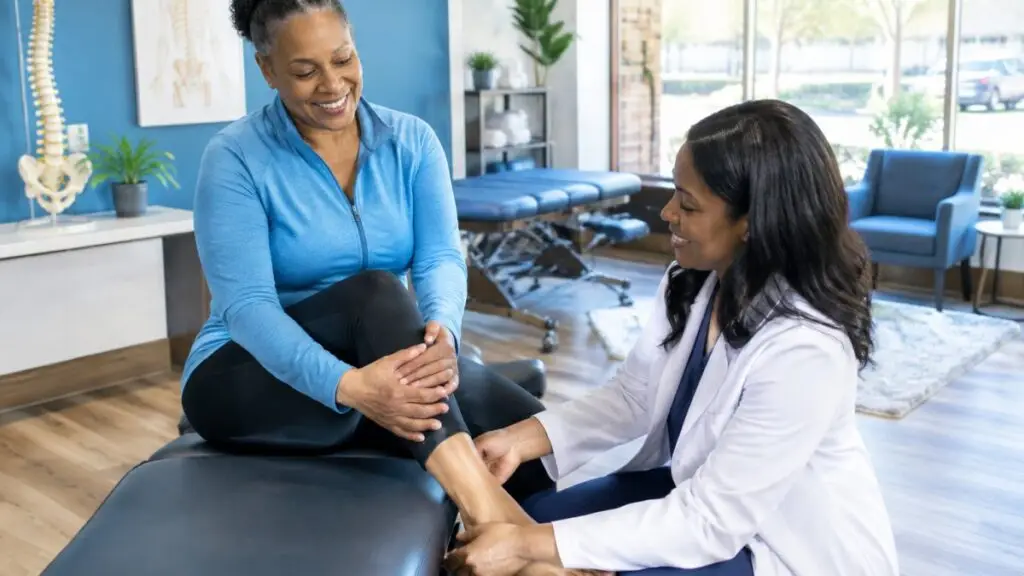
Non-Surgical Relief for Neuropathy Symptoms: What Works
Learn how non-surgical relief for neuropathy symptoms works, from exercise and lifestyle changes to clinical therapies, plus when to see a doctor.
Quick Summary
Peripheral neuropathy can cause burning, tingling, numbness, and discomfort that interfere with sleep, mobility, and everyday activities. At DrO Chiropractic and Wellness in McKinney, Texas, we take a comprehensive, individualized approach to evaluating neuropathy symptoms and exploring appropriate nonsurgical care options.
Our approach may incorporate chiropractic spinal assessments, nutritional guidance, therapeutic exercise, Class IV laser therapy, full-body red light therapy, and other supportive treatments based on each patient’s needs and clinical findings.
Understanding the underlying cause of neuropathy is essential to developing an effective care strategy. Our goal is to help patients manage symptoms, support mobility, improve daily function, and make informed decisions about their nerve health.
Key Takeaways
- Neuropathy symptoms may include burning, tingling, numbness, weakness, and balance difficulties.
- A thorough evaluation helps identify possible contributing factors, including metabolic conditions and nutritional deficiencies.
- Chiropractic care may address associated spinal and musculoskeletal concerns when appropriate.
- Class IV laser and red light therapy are noninvasive options being studied for neuropathy-related symptoms, with encouraging findings in some research.
- Nutrition, therapeutic exercise, and lifestyle recommendations may complement an individualized care plan.
- Treatment recommendations and outcomes depend on the underlying cause, severity of symptoms, and individual health needs.
Table of Contents
- What Neuropathy Symptoms Feel Like and Why They Happen
- Home Remedies for Neuropathy in Feet That Have Some Support
- Non-Invasive Neuropathy Treatment Options and How They Compare
- Safety, Medication Considerations, and Red-Flag Symptoms
- Take the First Step Toward Better Nerve Health and Mobility
- Frequently Asked Questions
What Neuropathy Symptoms Feel Like and Why They Happen
Peripheral neuropathy can affect more than just your feet and hands. It may interfere with your sleep, balance, mobility, and ability to enjoy everyday activities. Common symptoms include numbness, tingling, burning sensations, pins and needles, increased sensitivity to touch, and sometimes muscle weakness. For many individuals, these symptoms become especially noticeable at night.
Peripheral neuropathy occurs when nerves outside the brain and spinal cord become damaged or do not function properly. Several conditions may contribute, including diabetes, vitamin deficiencies, certain medications, and other underlying health concerns. Symptoms caused by compressed spinal nerve roots can sometimes resemble peripheral neuropathy, making a thorough evaluation important.
At DrO Chiropractic and Wellness in McKinney, Texas, we believe understanding the source of your symptoms is the first step toward developing an appropriate care plan. Our approach emphasizes individualized assessment, patient education, and exploring conservative treatment options that may help support comfort, mobility, and daily function. For additional information about peripheral neuropathy, its symptoms, and causes, visit the National Institute of Neurological Disorders and Stroke (NINDS).
Peripheral Neuropathy Treatment: Addressing the Underlying Cause
Effective peripheral neuropathy treatment begins with a thorough evaluation rather than a single therapy. You can learn more about how we evaluate and manage neuropathy care at our clinic. A qualified clinician typically reviews medical history, medications, blood sugar status, and neurological findings before recommending a plan. Managing the underlying cause, such as blood sugar control or addressing a nutritional gap, is often part of the picture, and coordination with the patient’s physician is important.
Neuropathy care should focus on identifying contributing factors, managing symptoms, and supporting nerve health and everyday function. Depending on the underlying cause and severity, some patients may experience improvement in symptoms or nerve function, while others benefit from strategies that help manage discomfort and maintain mobility. An individualized evaluation is essential for determining appropriate treatment options and realistic goals.
Home Remedies for Neuropathy in Feet That Have Some Support
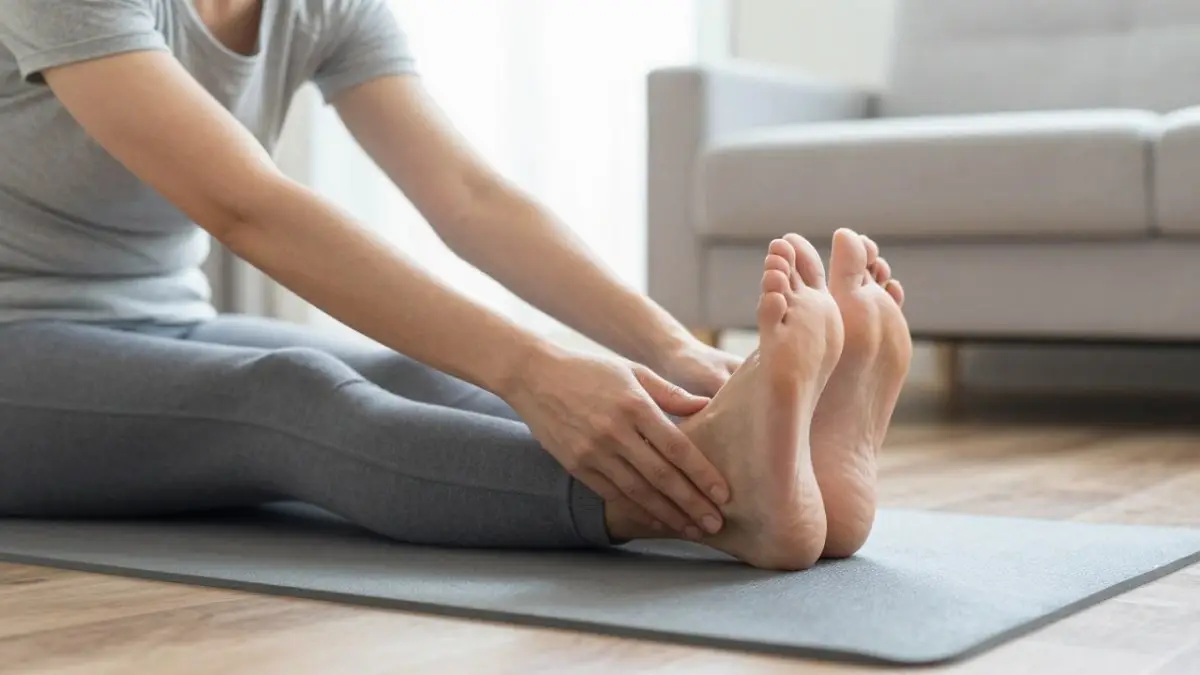
Supportive home care can complement a personalized neuropathy treatment plan. Daily foot inspections, properly fitted footwear, gentle movement, and appropriate skin care can help protect the feet and support daily comfort. Because neuropathy may reduce temperature sensation, avoid hot foot soaks and heating pads that could cause unnoticed burns. Persistent burning, tingling, or numbness should be evaluated to identify the underlying cause and appropriate treatment options.
Neuropathy Exercises for Legs and Feet
Exercise is one of the best-supported parts of a neuropathy plan, but the right program depends on your balance, strength, and tolerance. A supervised plan is typically built around three goals: keeping you mobile, improving balance, and protecting your feet.
Balance Work
Balance training is often the first priority because it targets fall risk directly. Simple starting exercises include standing with feet together near a sturdy counter for support, shifting weight slowly from one foot to the other, and walking heel-to-toe along a straight line. Hold each position for a few seconds and increase the time gradually as steadiness improves. Keep a chair or railing within reach at all times.
Strengthening
Strengthening the calves, hips, and thighs supports walking and stair climbing. Common options include seated heel raises, sit-to-stand repetitions from a firm chair, and resisted hip movements with a light band. Two to three sessions per week, with a rest day between, is a common starting pattern.
Low-Impact Cardio
Stationary cycling, water walking, and swimming allow aerobic work without heavy loading on the feet. These are useful for people who find impact painful or who have trouble with balance on land.
Progression and Tracking
Increase difficulty only when the previous level feels manageable. A useful rule is that symptoms should return to baseline within a day of exercise. Track how long you can stand, how many steps you walk, and how steady you feel on uneven ground. Bring this record to your appointments so adjustments can be made.
Watch out: Check your feet after every session. Reduced sensation can hide blisters, pressure sores, or small cuts, so inspect the skin and stop if you notice redness or breakdown.
A supervised program is especially helpful if you have significant balance problems or a history of falls. A qualified clinician can discuss whether a referral to physical therapy is appropriate for your situation.
Non-Invasive Neuropathy Treatment Options and How They Compare
Non-invasive options differ in what they target, how they are delivered, and how strong the supporting evidence is. Comparing them side by side helps set realistic expectations. Most people with neuropathy do best with a combination of approaches under professional guidance, rather than a single modality used in isolation.
The table below is a conceptual comparison, not a ranking. Evidence strength reflects how consistently published studies have reported benefit for neuropathic symptoms specifically.
| Approach | What it targets | Typical delivery | Clinical Role and Research |
|---|---|---|---|
| Structured exercise and balance training | Muscle strength, gait, fall risk | Supervised or home program | Substantial for function and balance |
| Glycemic and nutritional management | Underlying metabolic cause | Physician-coordinated | Substantial where a metabolic cause exists |
| TENS (transcutaneous electrical nerve stimulation) | Perceived pain signals | Small handheld device at home or in clinic | Mixed across studies |
| Chiropractic spinal assessment and care | Nerve root irritation in the spine | In-office examination and treatment | May support the management of spinal-related nerve irritation, musculoskeletal discomfort, and associated movement limitations. Effectiveness depends on the cause of symptoms. |
| Class IV laser and red light therapy | Localized comfort | In-office sessions | Photobiomodulation is a promising noninvasive approach being studied for neuropathy-related symptoms, with encouraging findings in some clinical research. |
| Topical and supportive measures | Surface comfort, skin protection | Daily self-care | Support daily comfort, foot protection, skin health, and prevention of complications associated with reduced sensation. |
Exercise and Balance Training
Exercise and balance training are important components of functional care for individuals with neuropathy, alongside identifying and managing the underlying cause. A personalized program may help improve strength, stability, walking confidence, and overall mobility.
Chiropractic Spinal Assessment
At DrO Chiropractic and Wellness, a comprehensive spinal and musculoskeletal evaluation can help identify whether symptoms may be associated with spinal joint dysfunction, nerve root irritation, or other contributing factors.
When spinal involvement is identified, individualized chiropractic care may help address associated musculoskeletal discomfort and movement limitations. Treatment recommendations are based on clinical findings and may include appropriate chiropractic techniques, therapeutic exercises, and other conservative services.
Because peripheral neuropathy can have multiple contributing factors, including diabetes, nutritional deficiencies, and spinal conditions, our approach at DrO Chiropractic and Wellness extends beyond chiropractic care alone. We incorporate nutritional assessments, personalized nutrition and wellness recommendations, and appropriate conservative therapies based on each patient’s individual needs. When additional medical testing or specialized treatment is necessary, we collaborate with other healthcare professionals to help ensure comprehensive, coordinated care.
TENS and Electrical Stimulation
TENS delivers a mild electrical current through surface electrodes and is used to modulate pain perception. Studies report mixed results, with some people finding meaningful short-term comfort and others little change. It is generally low risk, but it should not be used over areas with impaired circulation without clinician guidance, and it is not suitable for everyone with a pacemaker or certain implanted devices.
Light-Based Therapies
At DrO Chiropractic and Wellness in McKinney, Texas, we offer Class IV laser therapy and full-body red light therapy as part of our comprehensive approach to wellness and conservative care.
These noninvasive therapies may be incorporated into personalized neuropathy care plans when clinically appropriate, with the goal of supporting patient comfort and daily function.
Research into light-based therapies for neuropathy continues to evolve, with some studies reporting encouraging findings related to pain management, symptom relief, and physical function. However, effectiveness can vary by the type of neuropathy and treatment protocol.
Our team discusses the potential benefits, limitations, and suitability of these therapies during each patient’s evaluation.
Understanding Your Neuropathy Care Options
An effective neuropathy care plan begins with understanding each patient’s symptoms, medical history, functional limitations, and possible contributing conditions. Treatment options may include medical management of underlying causes, therapeutic exercise, balance training, and selected conservative therapies.
Because neuropathy can develop for different reasons, no single approach is appropriate for everyone. At DrO Chiropractic and Wellness, we focus on personalized recommendations, patient education, and monitoring progress to help individuals make informed decisions about their care.
Safety, Medication Considerations, and Red-Flag Symptoms
Some symptoms warrant prompt medical attention. Seek care quickly for sudden weakness, loss of bladder or bowel control, rapidly spreading numbness, chest pain, or open wounds on the feet that are not healing. Anyone taking medications for pain or blood sugar should review any new therapy with their physician, since interactions and contraindications exist.
Take the First Step Toward Better Nerve Health and Mobility
Living with burning, tingling, numbness, or discomfort in your feet and legs can affect your sleep, confidence, and everyday activities. Understanding the cause of your symptoms is an important first step toward finding appropriate care.
At DrO Chiropractic and Wellness in McKinney, Texas, we offer individualized evaluations and discuss conservative care options based on each patient’s needs and clinical findings.
Our goal is to help patients better understand their symptoms, explore appropriate treatment options, and work toward improved comfort and daily function.
Schedule Your Neuropathy Evaluation Today
Serving McKinney, Allen, Prosper, Anna, Melissa, Princeton, and surrounding communities.
Frequently Asked Questions
Can neuropathy symptoms improve without surgery?
Yes. Many individuals with peripheral neuropathy can benefit from nonsurgical approaches, depending on the underlying cause and severity of their symptoms. Treatment may focus on addressing contributing conditions, managing discomfort, supporting mobility, and improving daily function.
Some patients experience improvements in symptoms when treatable causes are identified and addressed, while others benefit from ongoing symptom management. A comprehensive evaluation helps determine which treatment options may be most appropriate for each individual.
What non-surgical treatments are used for peripheral neuropathy?
Nonsurgical neuropathy care may involve several approaches tailored to the individual’s symptoms and underlying condition. These can include medical management of contributing conditions such as diabetes or vitamin deficiencies, therapeutic exercise, balance training, and appropriate pain-management strategies.
At DrO Chiropractic and Wellness in McKinney, Texas, we offer comprehensive musculoskeletal evaluations and may incorporate chiropractic care, Class IV laser therapy, red light therapy, and other supportive services when clinically appropriate.
Research into their effectiveness for peripheral neuropathy continues to evolve, and treatment recommendations should consider the underlying cause, current evidence, and each patient’s clinical needs.
What are some home remedies for numbness in the feet?
Practical steps many people find helpful include checking feet daily for cuts, blisters, or redness; wearing well-fitted, supportive footwear; keeping feet dry and moisturized; and avoiding walking barefoot on hot or hard surfaces. Regular low-impact movement such as walking or swimming may support circulation and balance. Stopping smoking and managing blood sugar, if relevant, are also widely recommended. Home measures support general foot health but do not replace an evaluation of why the numbness is occurring.
When should numbness or tingling in the feet be evaluated by a medical professional?
Seek prompt medical care if numbness or tingling comes on suddenly, spreads quickly, affects one side of the body, or is accompanied by weakness, loss of bladder or bowel control, chest pain, trouble breathing, or confusion. Persistent symptoms, a new foot wound that is slow to heal, or unexplained balance problems also warrant a timely appointment. A licensed clinician can review your history, examine your nerves and reflexes, and order tests when needed to identify the cause.
